

What Should I Do If I Find Mold In My Kitchen And How A Plumber In Orange County Can Help
Finding mold in your kitchen can feel overwhelming. The first step is to understand what it means and who can help.
If you discover mold, you need to address both the visible growth and the source of excess moisture that caused it. This is where a plumber may play an important role, especially if the mold is linked to leaks under sinks, behind appliances, or within your plumbing system.
You may wonder if a plumber can remove mold. While plumbers do not perform mold remediation, they can identify and repair the water issues that allow mold to thrive.
By fixing hidden leaks and improving drainage, a plumber helps stop the problem at its source. Mold can pose health risks and damage your home if ignored, so taking action quickly is essential.
Identifying Mold in the Kitchen
Mold in your kitchen often develops where moisture, warmth, and organic material meet. You can recognize it by its appearance, smell, and the places it tends to grow.
Knowing the type can help you decide whether you need professional help.
Signs of Mold Growth
You may notice discoloration on walls, cabinets, or grout. Mold often appears as black, green, white, or even orange patches that spread over time.
A fuzzy or slimy texture is another clear indicator. Another common sign is a musty odor.
Even if you cannot see mold, a persistent damp smell often signals hidden growth behind walls, under sinks, or inside cabinets. Health symptoms can also point to mold.
If you or others in your home experience unexplained coughing, sneezing, or eye irritation while in the kitchen, mold spores may be present. In some cases, mold can trigger worsening asthma or allergies.
When you see or smell these warning signs, it’s important to investigate further rather than ignore them.
Common Locations for Mold
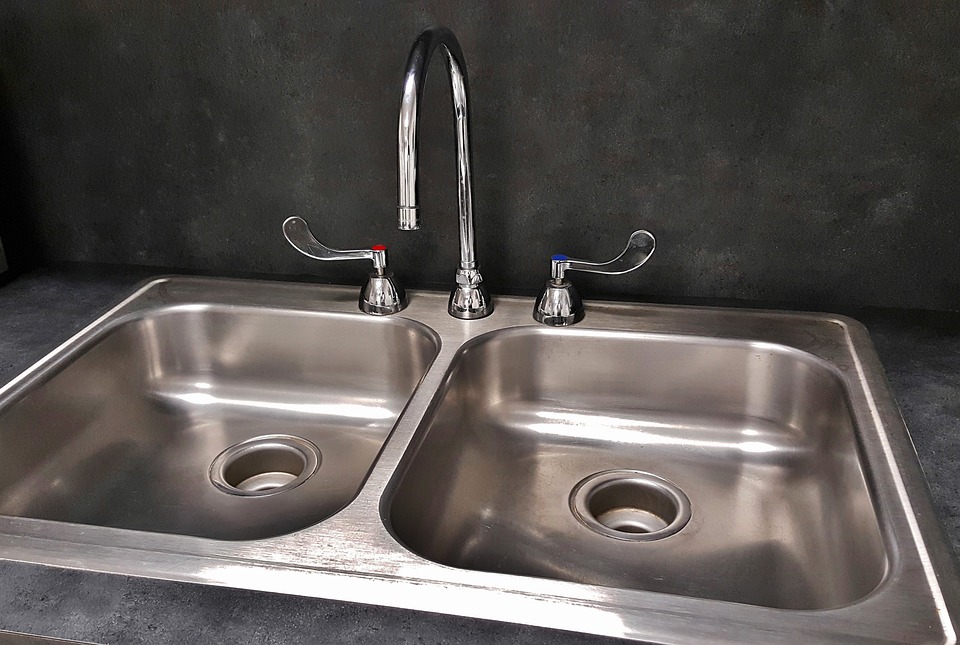
Mold thrives in areas that stay damp or poorly ventilated. Under the sink is one of the most common spots because of leaks, condensation, and plumbing connections.
Even a slow drip can create an environment where mold flourishes. Inside cabinets and drawers can also be a problem, especially if they are near plumbing lines or if spills are not cleaned promptly.
Wood and particle board surfaces absorb moisture, making them vulnerable. Other frequent locations include:
- Behind appliances like dishwashers and refrigerators
- Tile grout and backsplashes where water lingers
- Ceilings and walls in kitchens with poor insulation or ventilation
Checking these areas regularly helps you catch mold before it spreads.
Types of Mold, Including Black Mold
Different molds can develop in your kitchen, and each has its own appearance and risks. Cladosporium often looks black or green and grows on wood, cabinets, or fabrics.
Penicillium is usually blue or green and spreads quickly on food or damp surfaces. The most concerning type is Stachybotrys chartarum, commonly called black mold.
It typically appears slimy and dark black, often found in areas with consistent water damage. Black mold can release mycotoxins that may cause stronger health effects compared to other molds.
Not all dark mold is toxic black mold, but you should treat any suspicious growth seriously. Identifying the type can help guide whether you can clean it yourself or need professional remediation.
Causes of Mold in the Home
Mold often develops when excess moisture goes unchecked. It can result from leaking pipes, high indoor humidity, or structural problems that allow water to enter your living space.
Addressing these sources quickly helps you prevent mold growth and protect your home.
Plumbing Leaks and Water Damage
Leaking pipes under sinks, behind walls, or beneath floors create hidden damp areas where mold thrives. Even small drips can keep surfaces wet long enough for spores to spread.
If you notice stains, peeling paint, or musty odors near plumbing, you may have a moisture problem. Appliances connected to water lines, such as dishwashers and refrigerators, can also cause leaks.
Over time, unnoticed water damage can weaken cabinets, drywall, or flooring while fostering mold growth. A plumber can inspect your system, repair faulty connections, and replace damaged pipes.
By fixing the source of the leak, you stop new moisture from feeding mold colonies. This step is essential before any mold cleanup can be successful.
Poor Ventilation and Humidity
Kitchens and bathrooms often trap steam from cooking and showers. Without proper airflow, condensation forms on walls, ceilings, and windows.
These damp surfaces become prime spots for mold to grow. Relative humidity above 60% indoors increases the risk of mold.
Everyday activities like boiling water or running a dishwasher add to the problem if ventilation is inadequate. You can reduce risk by using exhaust fans, opening windows, or installing a dehumidifier.
A plumber may also help by checking ventilation systems connected to your kitchen appliances or repairing vent ducts that are not working as intended.
Structural Issues Leading to Moisture
Cracks in foundations, gaps around windows, and damaged roofing allow water to seep inside. Once moisture enters, it can collect in walls, basements, or crawl spaces where mold spreads quickly.
Poor drainage around your home also contributes. If rainwater pools near the foundation, it can seep through small openings and create damp conditions indoors.
Addressing structural issues often requires both repair and prevention. Sealing gaps, improving grading around your property, and repairing roof leaks help reduce water intrusion.
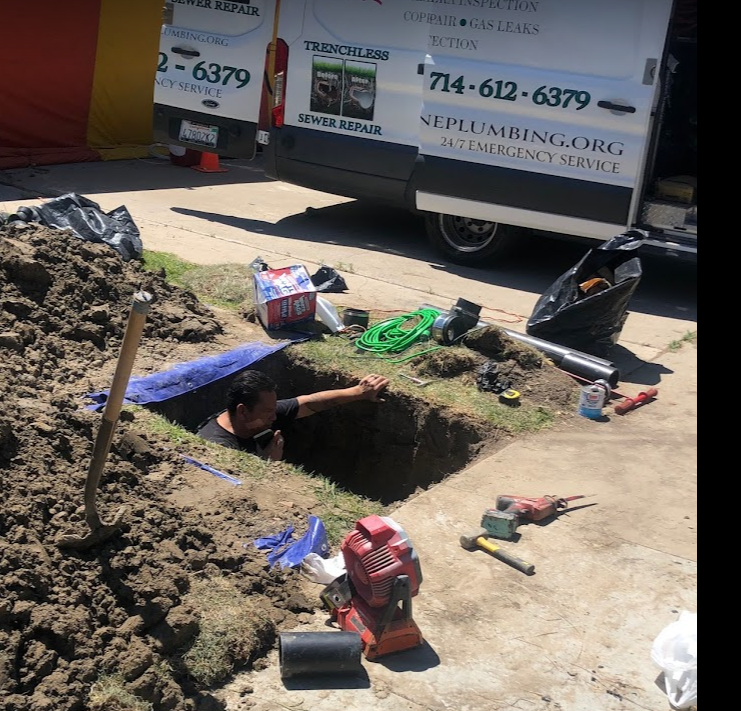
Plumbers may assist by inspecting sump pumps, drainage lines, or other systems that manage water flow around your home.
When to Call a Plumber for Mold Issues
Mold in your kitchen often points to a hidden water problem. A plumber can help identify and repair the source of moisture, but mold cleanup usually requires a different type of professional.
Knowing what a plumber can and cannot do helps you take the right steps.
Plumber’s Role in Mold Detection
A plumber cannot test or confirm mold types, but they play a key role in spotting conditions that allow it to grow. If you notice mold under your sink, behind appliances, or near plumbing fixtures, a plumber can inspect for leaks or condensation issues.
They use tools such as moisture meters and inspection cameras to check pipes and connections. This helps determine whether the mold is linked to a hidden plumbing issue rather than just surface humidity.
By identifying the underlying water source, plumbers help prevent mold from returning after it is removed.
How Plumbers Address Water Leaks
Plumbers focus on eliminating the moisture that feeds mold. They repair leaking pipes, replace faulty connections, and fix dripping faucets.
In kitchens, common sources include supply lines under sinks, dishwasher hoses, and refrigerator water lines. If a pipe has burst or a slow leak has gone unnoticed, a plumber can replace damaged sections and ensure the system is sealed properly.
Stopping the leak prevents new mold growth and protects cabinets, drywall, and flooring from further damage. In some cases, plumbers may also recommend preventive measures such as installing shut-off valves or upgrading old piping materials.
These steps reduce the chance of future leaks that could lead to mold.
Limitations of Plumbing Services for Mold
Plumbers do not remove mold or perform remediation. Their role ends once the water problem is fixed.
If mold is already present, you will need a certified mold remediation specialist to safely clean and restore affected areas. Attempting to rely solely on plumbing work will not solve the issue, as mold can spread beyond the immediate leak site.
Professionals use specialized equipment, containment methods, and protective gear to handle cleanup. You may need both a plumber and a remediation company—one to stop the water source and the other to remove the mold safely.
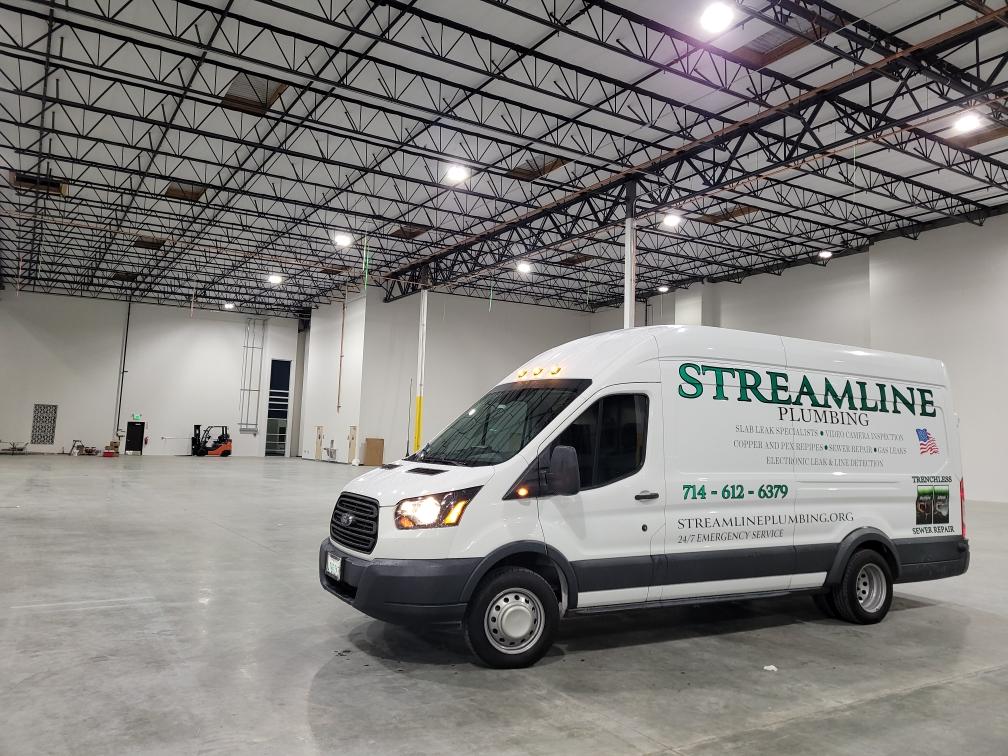 How Streamline Plumbing in Orange County, CA Can Assist
You can address mold in your kitchen more effectively when the source of moisture is identified and repaired. A licensed plumber can detect leaks, correct water-related issues, and work alongside remediation experts to reduce the risk of mold returning.
Professional Inspection and Diagnosis
When you notice mold, the first step is to determine where the moisture is coming from. Streamline Plumbing has experience inspecting kitchens for hidden leaks in pipes, drains, and fixtures.
They use professional tools to check behind walls, under sinks, and around slab foundations. A detailed inspection helps you understand if the mold is linked to a plumbing issue or another source of moisture.
This prevents you from spending money on surface cleaning without fixing the root cause. By identifying leaks early, you reduce the chances of mold spreading to cabinets, flooring, and drywall.
Streamline Plumbing’s diagnostic approach ensures that you get clear answers about what repairs are needed to stop ongoing water damage.
Repairing Plumbing Problems to Prevent Mold
Once the source of moisture is confirmed, repairs must be completed quickly. Streamline Plumbing handles common causes of kitchen mold such as:
- Leaking pipes under sinks or inside walls
- Faulty garbage disposals or dishwashers that drip water
- Slab leaks that push moisture up through flooring
By repairing these issues, you stop the constant water exposure that mold needs to grow. Even small drips can create damp conditions that lead to black mold over time.
Streamline Plumbing also offers 24/7 emergency service, which is important when you discover a sudden leak or flooding. Quick action helps you avoid costly structural damage and limits mold growth in affected areas.
Coordinating with Mold Remediation Specialists
Plumbers do not remove mold, but they play an important role in the process. After fixing the plumbing issues, Streamline Plumbing can work with licensed mold remediation companies to ensure the environment is safe.
The remediation team can focus on cleaning and removing contaminated materials without worrying about moisture returning. Streamline Plumbing’s role is to stop the source of water so that mold cleanup efforts are effective.
Without this step, even the best remediation work may fail if leaks continue.
 Yelp Reviews
 Yahoo Reviews
 Google Reviews